Introduction to Roof Protection and Sustainable Performance
In today’s construction landscape, the focus on long-term performance and cost-effective maintenance has never been sharper. Owners and facility managers are increasingly looking for solutions that not only preserve building integrity but also deliver tangible savings. One often-overlooked ally in this pursuit is a specialized layer of protection applied to the surface of a building’s topmost barrier—a versatile shield that extends service life and enhances energy performance. By applying this method, structures benefit from reduced wear, enhanced thermal control, and improved resistance to harsh weather conditions.
The global market for such protective layers is steadily expanding. For example, the industry reached an estimated value of USD 2.66 billion in 2023 and is projected to grow to USD 3.64 billion by 2032, reflecting a compound annual growth rate (CAGR) of approximately 3.5% globenewswire.com. Across the globe, another forecast places that same market at USD 6.58 billion in 2024, with expectations to climb to USD 10.33 billion by 2032—a robust 5.8% CAGR—underscoring rising demand fueled by energy efficiency and preventive maintenance trends databridgemarketresearch.com.
Beyond the numbers, real-world applications illustrate the strategic value of roof surface treatments. Consider a commercial warehouse in the Southwest—where intense sun and heat are constant threats. Applying a reflective coating helped to lower internal temperatures by up to 20°F during peak afternoon hours, significantly cutting cooling costs during the hottest months. Meanwhile, a residential renovation in the Northeast saw the homeowner defer a costly roof replacement by a full decade, thanks to a durable protective layer that sealed minor cracks and slowed weathering.
These examples speak to a dual benefit: one that blends immediate operational advantages with long-term asset protection. Whether for new construction or renovation, applying a resilient surface treatment can reduce thermal fluctuations, deter moisture intrusion, and delay capital-intensive interventions. This is not just a cosmetic upgrade—it’s a strategic investment that combines preservation with performance.
In the context of evolving building standards and environmental awareness, such treatments are garnering more attention as part of holistic sustainability strategies. With government incentives for energy-saving materials and growing client expectations for durable, low-maintenance building envelopes, the industry is primed for broader adoption of this intelligent solution.
As we transition into deeper sections, we’ll explore how different formulations contribute to performance, best practices for application, real-life case studies demonstrating cost and energy savings, and guidance to help professionals select the right solution for diverse roofing scenarios.
Performance Characteristics and Real-World Insights
Transitioning seamlessly from our introduction of roof envelopes and advanced solutions, it’s important next to understand how different formulations perform under real-world conditions. A critical examination of acrylic, silicone, and polyurethane coatings reveals distinct advantages depending on climate challenges and usage demands.
Acrylic Coatings: Reflectivity and Cost Efficiency
Acrylic coatings offer exceptional UV resistance and high solar reflectance, with initial values between 85–90% and aged reflectance remaining at 75–80% even after years of wear—making them especially valuable in high-sun environments such as Florida. Their breathability helps trapped moisture escape, preventing substrate degradation talbotcompanies.com. Cost-wise, they typically align in the $2.50–$4.00 per square foot range and deliver strong value for moderate climate settings talbotcompanies.com.
Silicone Coatings: Durability in Extreme Conditions
Designed for harsh scenarios like constant ponding water and temperature extremes, silicone systems boast unrivaled adaptability. They remain elastic without degradation in climates ranging from −40°F to 300°F and resist UV damage over decades talbotcompanies.com. Reflectivity remains high even after ten years, with many maintaining 90–98% of their initial performance ecoroofsystems.com. Though priced 20–40% higher than acrylics, their longevity and minimal maintenance can quickly justify the investment in demanding environments talbotcompanies.com.
Polyurethane Coatings: Rugged Protection with Long-Term Payoff
When foot traffic, hail impact, or mechanical use is routine, polyurethane coatings shine. Their textile-like toughness comes from urethane polymers forming highly abrasion- and puncture-resistant surfaces. Studies report tensile strengths of 900–1200 psi and 550% elongation maintained after years, enabling resistance to severe weather cycles ecoroofsystems.com. Energy-wise, premium two-part systems can reflect up to 88% of solar radiation and emit 91% of absorbed heat, cutting cooling costs by 15–20% consistently over time ecoroofsystems.com.
Energy and Thermal Performance: Case Evidence
Applying a high-reflectance coating can significantly reduce surface temperatures and building energy use. Research reveals roof surface temperatures can be reduced by up to 34 °C, leading to 15–35.7% reductions in energy consumption depending on climate zones veirsklukroofing.com. Moreover, cool reflective surfaces have delivered annual air-conditioning energy savings of about 11%, with peak demands dropping 14%, as shown in a Lawrence Berkeley National Lab case study involving a retrofitted retail building en.wikipedia.org.
These performance insights offer actionable direction for professionals choosing a formulation: acrylics for cost-efficient reflectivity, silicones for long-term resilience in tough conditions, and polyurethanes where durability under stress is paramount. The next section will demonstrate these benefits with detailed case studies and best-practice application guidance.
Benefits of Roof Coating
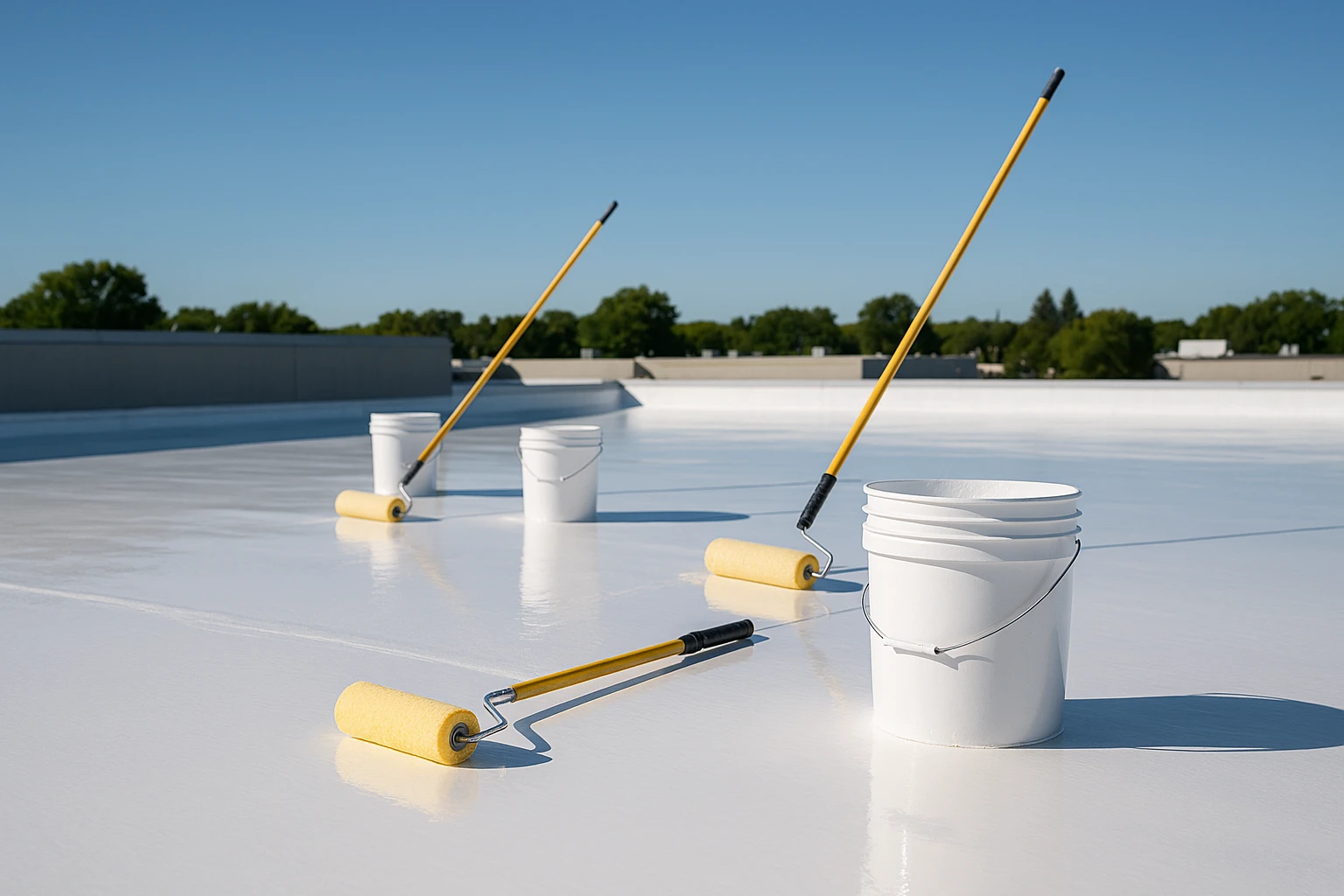
When considering the maintenance and longevity of your roof, applying a roof coating can be a highly beneficial investment. Roof coatings provide a protective layer that shields against various elements, prolonging the roof’s life and enhancing its performance. By reflecting sunlight, roof coatings can significantly reduce energy costs for both residential and commercial buildings, as they help maintain a cooler indoor temperature. This energy efficiency not only lowers utility bills but also lessens the environmental impact, making it a sustainable choice.
Additionally, a high-quality roof coating can prevent leaks and water damage by providing a seamless, water-resistant barrier. This proves especially valuable in areas prone to heavy rainfall or harsh weather conditions. An excellent example of this can be seen in studies where coated roofs in coastal regions have shown remarkable resilience against saltwater corrosion and damage. For more detailed insights, visit American WeatherStar.
Beyond protection and cost savings, some roof coatings are designed with special features that cater to different needs. For instance, some coatings are engineered to enhance fire resistance, while others possess anti-fungal properties that inhibit mold growth, which is particularly important in humid climates. These specialized coatings add an extra layer of assurance for property owners concerned about specific threats.
Professionals commonly use platforms like All American Roof Shield/Fresh Roof for sourcing high-quality roof coatings that meet diverse requirements. The resources available through these providers offer tailored solutions that fit varying architectural designs and climate conditions, ensuring that clients receive the most fitting products for their specific circumstances.
Overall, roof coating represents a versatile solution that not only safeguards roofs but also provides additional utility benefits. Property owners looking to extend their roof’s lifespan and efficiency might consider exploring the various options available to find a product that aligns perfectly with their architectural and environmental needs. Consulting with experts or using reputable sources ensures the selection of a roof coating that maximizes all these advantages.
Real-World Applications and Emerging Innovations
Building on previous discussion, it becomes evident how performance and innovation converge in modern roofing strategies. For instance, reflective treatments have moved beyond simple white paints. Research shows that passive daytime radiative cooling coatings can reduce solar heat gain by approximately 40%, leading to cooler interiors and reduced reliance on mechanical systems in both air-conditioned and naturally ventilated buildings. These innovations not only offer energy savings but also contribute meaningfully to urban heat island mitigation efforts ScienceDirect study
One compelling example is a prototype developed in Australia: a porous film-based treatment that reflects about 96% of solar radiation, allowing surfaces to stay cooler than ambient air. This technology passively reduces indoor temperatures and even captures atmospheric moisture, collecting up to 390 milliliters per square meter per day—equating to roughly 70 liters from a standard 200 m² roof The Guardian report. The dual benefits of passive cooling and water harvesting demonstrate how multifaceted and transformative modern roof coatings can be.
Numerical modeling and lab experiments also highlight that combining interior and exterior reflective treatments—such as aluminum foil on the underside coupled with a high-reflectance white exterior—can reduce thermal load through the roof assembly by nearly 50%. Under warm, humid conditions, this setup achieved even more dramatic reductions in heat gain source study. These findings underscore that strategic layering can significantly enhance thermal performance beyond what a single coating achieves.
Meanwhile, innovative materials such as rare-earth-free radiative cooling paints, like those utilizing BaSO₄ nanoparticles, have demonstrated daytime temperatures more than 4.5 °C below ambient and high cooling power (≈117 W/m²)—all in a paint format compatible with traditional application methods research paper. This progress opens avenues for scalable, cost-effective deployment across diverse roof types.
Taken together, these real-world and experimental examples offer actionable insights: selecting products with high solar reflectance, leveraging multi-layer coating strategies, or integrating next-generation cooling paints can dramatically boost performance. Property owners and facility managers should consider not just the initial protective utility but the long-term urban sustainability, water management, and energy conservation breakthroughs that innovations in roof coating technologies continue to deliver.
Conclusion
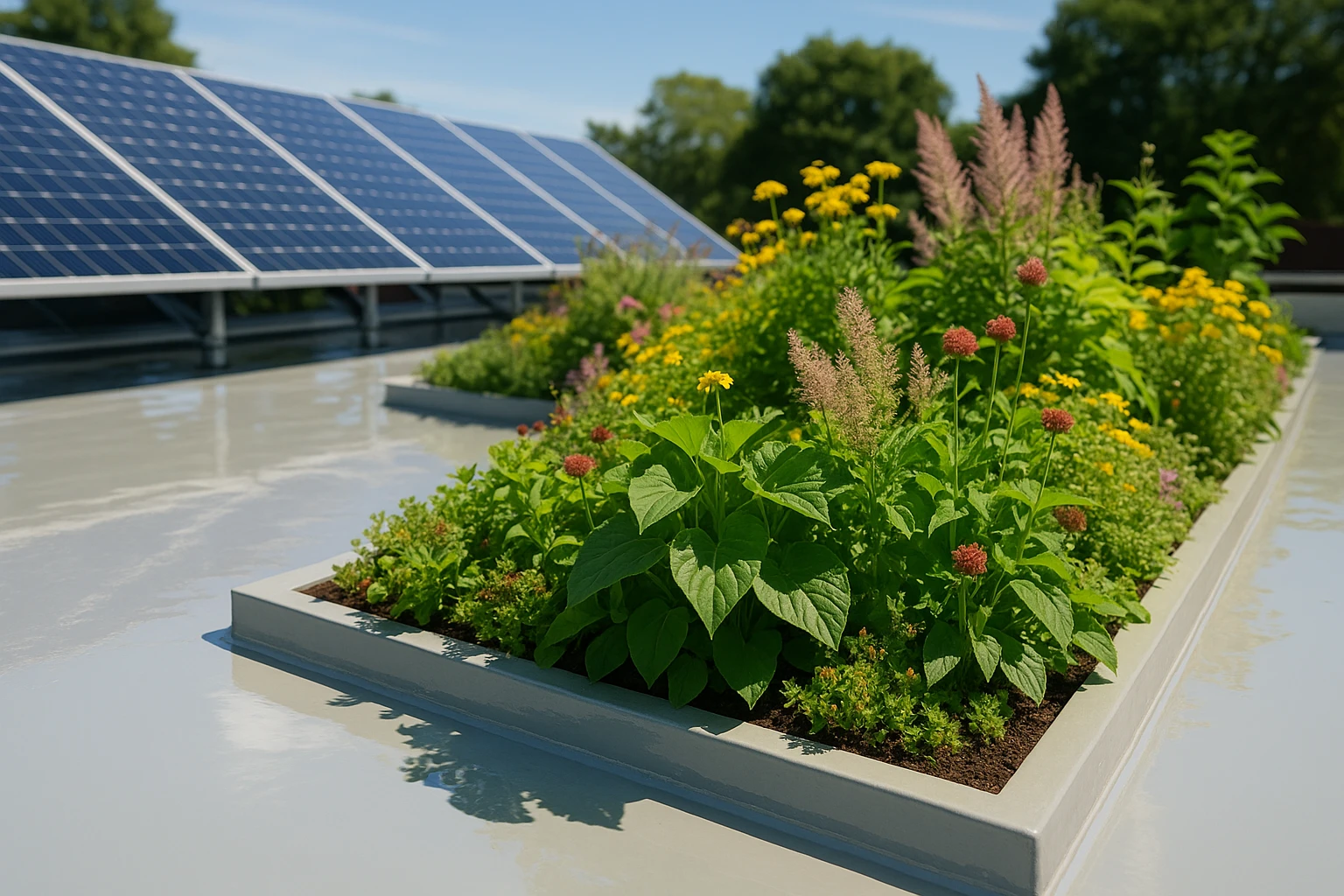
Investing in roof coating offers numerous benefits for both residential and commercial properties. By enhancing energy efficiency, extending the lifespan of the roof, and providing a sustainable weatherproofing solution, this innovative approach represents a wise choice for property owners. The decision to apply a roof coating is not only about protecting an asset but also about making an environmentally conscious choice.
One of the most compelling reasons to consider roof coating is its potential cost savings and long-term efficiency. Unlike traditional roof replacements, coatings can reduce energy consumption by reflecting sunlight, thus lowering cooling costs in warmer climates. Additionally, given the threat of frequent severe weather patterns, the protective barrier provided by a roof coating ensures resilience against damage. According to data from the U.S. Department of Energy, reflective coatings can reduce roof temperatures by up to 50°F, keeping interiors more comfortable and significantly impacting utility bills.
If you’re considering this upgrade, it’s crucial to research and select quality products and services that align with your needs. An essential step is selecting a reputable company specializing in roof coating solutions. By opting for experienced professionals, you can ensure a seamless application process, maximizing the benefits of the coating.
To enhance your property’s sustainability and efficiency, consider consulting with All American Roof Shield/Fresh Roof. They offer comprehensive support and customized solutions tailored to different roofing needs. With their expertise, you can confidently protect your investment and enjoy peace of mind knowing that your roof is equipped with the best technology available.
Take action today to discover how roof coating can transform your property. Whether for commercial applications or residential improvements, this approach delivers lasting benefits from both environmental and financial perspectives. Make an informed choice by exploring the possibilities that modern roof coating technologies offer.
Article Generated by Soogle