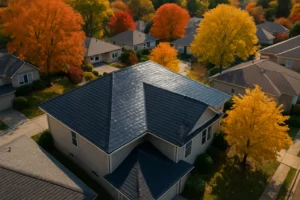
Introduction to the World of Roofing
When it comes to homes, a roof is more than just a structural necessity; it is a symbol of protection and resilience. The journey to understanding roofing today involves untangling a web of materials, architectural styles, climates, and even sustainability concerns. But why does roofing command such attention and respect among homeowners and industry specialists alike? In a word—functionality. This unique blend of form and utility makes roofing a fascinating topic not just for those in construction, but for anyone keen on preserving or improving their home’s value.
Consider a sudden thunderstorm pounding relentlessly against your roof. Each raindrop’s impact questions the resilience of your roofing materials and craftsmanship. For instance, asphalt shingles, a popular choice for their affordability and adaptability, may not withstand harsh climatic variations as effectively as metal or slate roofs do. According to research by the U.S. Department of Energy, the type of roofing installed can significantly affect energy efficiency and cost savings, especially in different climate zones. This makes your choice in roofing a critical decision, influencing much more than just the curb appeal of your house.
Rooftops have evolved from mere rain shields to pivotal elements of building design, contributing to energy efficiency and sustainability. The push towards eco-friendly homes has brought innovative materials like recycled rubber and solar tiles into the spotlight, offering options that don’t compromise style for sustainability. These advancements represent more than trends; they’re vital components in our ongoing response to climate change and environmental concerns.
Furthermore, the importance of warranties and long-term durability in roofing cannot be overstated. For those who prioritize longevity, exploring options that promise extended lifespan and enhanced protection is crucial. For example, Unveiling The Best Warranty In The Industry offers insights into how effective warranties can support homeowners over decades, minimizing the stress and cost associated with unexpected roof repairs.
The art of roofing is indeed a comprehensive subject that traverses basic home protection to sophisticated engineering solutions. As we delve deeper into the intricacies of roofing, this initial glimpse reveals its complexity and essential role in modern housing. Stay with us as we uncover more detailed aspects of roofing, including material comparisons, benefits of modern technological enhancements, and practical maintenance strategies that can save you time and money.
Exploring Roofing Materials and Their Benefits
When selecting roofing materials, homeowners face a variety of options, each with distinct advantages and drawbacks. The ideal choice largely depends on regional weather conditions, architectural style, and budgetary constraints. Understanding these materials can significantly impact the performance and longevity of your roof.
Common Roofing Materials
Among the myriad of roofing materials available, asphalt shingles, metal roofing, and clay tiles are prevalent due to their durability and cost-effectiveness. Asphalt shingles are the most popular in the United States, known for their affordability and ease of installation. They offer decent protection against various weather conditions but may not last as long as some premium options.
Metal roofs, though costlier initially, provide excellent longevity and energy efficiency. They reflect solar heat, reducing cooling costs during summer months. Clay tiles, often seen in warmer climates, add a distinct aesthetic appeal and can last over 50 years with proper maintenance.
Comparing Roofing Materials
To make an informed decision, comparing key features such as lifespan, cost, and aesthetic appeal is crucial. Below is a detailed table contrasting these materials:
| Material | Lifespan | Cost per Square Foot | Aesthetic Appeal |
|---|---|---|---|
| Asphalt Shingles | 15-30 years | $3 to $5 | Traditional |
| Metal Roofing | 40-70 years | $5 to $12 | Modern |
| Clay Tiles | 50+ years | $10 to $18 | Mediterranean |
Each material’s longevity and cost-effectiveness can align differently with homeowner priorities. For instance, while asphalt shingles are budget-friendly, metal and clay options promise longevity, which could justify their higher initial investment. Opting for the most suitable material requires understanding both immediate needs and long-term goals.
According to a study by the National Roofing Contractors Association, proper selection of roofing material can enhance energy efficiency and aesthetics, impacting home value positively (NRCA). For a deeper dive into enhancing your roof’s lifespan, explore our Expert Tips on Prolonging the Life of Asphalt Shingles.
Choosing the Right Roofing Material
When it comes to selecting the ideal material for your roof, several factors need careful consideration to ensure both durability and aesthetics. One of the most popular choices among homeowners is asphalt shingles due to their affordability and ease of installation. However, there are a variety of alternatives, each offering unique benefits tailored to specific needs and climates.
Asphalt Shingles: A Popular Choice
Asphalt shingles are a staple in roofing for their cost-effectiveness and versatility. They are particularly favored in regions with moderate climates. The National Association of Home Builders reports that asphalt shingles can last between 15 to 30 years, depending on their quality and local environmental conditions (NAHB). For those seeking durability without breaking the bank, asphalt presents a reliable option, especially when further enhanced with treatments like those offered by All American Roof Shield.
Metal Roofing: Long-lasting and Resilient
Metal roofing has gained traction due to its longevity and energy efficiency. Durable enough to withstand harsh weather conditions, it can last over 50 years with proper maintenance. Furthermore, metal roofs reflect solar radiant heat, which can reduce cooling costs by 10-25% (Energy Star). This makes them an ideal choice for regions with extreme temperatures, quickly covering initial costs through energy savings.
Eco-friendly Options: Solar and Green Roofs
As sustainability becomes increasingly important, eco-friendly roofing options like solar panels and green roofs are gaining popularity. Solar panels can offset energy costs while also benefiting the environment, and they often come with tax incentives that make them more affordable. Simultaneously, green roofs provide natural insulation, reduce stormwater runoff, and improve air quality. These innovative solutions add not just efficiency but also biodiversity to urban environments.
Whether you choose traditional shingles or more modern solutions, your roofing decision impacts both the structure’s lifespan and your household utility costs. Integrating the right material tailored to your needs ensures the protection of your home and aligns with your long-term economic considerations. For more insights into selecting sustainable roofing materials, visit organizations like Architecture 2030.
Installation: Best Practices
When undertaking a roofing project, adhering to best practices is essential to ensure both the safety and durability of the roof. Proper installation techniques can significantly affect the longevity and performance of the structure, saving homeowners from unnecessary repairs and expenses.
Selecting the Right Professionals
Choosing experienced and certified roofing contractors is crucial. Skilled professionals adhere to industry standards that guarantee quality. For example, the National Roofing Contractors Association provides a list of certified contractors, offering a resourceful guideline for homeowners. Hiring those with a proven track record reduces the risk of errors that might compromise the integrity of the installation.
Weather Considerations
Weather conditions play a critical role during roofing installation. High winds, rain, and extreme temperatures can hinder the installation process and affect the quality of the work. Ideally, scheduling the project during a period of mild weather ensures that the materials are properly set and that adhesives bond effectively. According to the National Roofing Contractors Association, such precautions can prevent premature wear and tear.
Quality of Materials
The choice of materials impacts not only the aesthetic value but also the functional efficiency of a roof. Utilizing materials like asphalt shingles or metal can offer varying benefits depending on the regional climate and architectural style. Asphalt shingles, for example, provide excellent insulation which is beneficial in cooler climates. Meanwhile, metal roofing is often favored in areas prone to wildfires due to its fire-resistant properties.
Maintaining Safety Standards
Safety cannot be overlooked during installation. Roofers should employ appropriate safety gear and adhere to Occupational Safety and Health Administration (OSHA) guidelines to prevent workplace accidents. Proper scaffolding, harnesses, and protective clothing are essential to minimize the risk of injuries, ensuring both the safety of the workers and the integrity of the roof.
Future-Proofing Your Roof
Incorporating features that facilitate easy maintenance can greatly enhance the sustainability of a roof. Installing gutter guards and using reflective roofing materials can prevent damage caused by water blockage and reduce heat absorption, respectively. These practices not only extend the roof’s lifespan but also contribute to greater energy efficiency in the home.
By paying attention to these key practices, homeowners can ensure their roofing projects are successful, providing long-term protection and peace of mind. Effective installation not only meets immediate needs but also prepares the home for future challenges.
Conclusion
As we wrap up our insights into effective roofing practices, it’s crucial to emphasize actionable steps that homeowners can take. By ensuring comprehensive care and strategic planning, you can significantly enhance the longevity and performance of your roof. A well-maintained roof not only safeguards your home from the elements but also contributes to energy conservation and aesthetic appeal.
Key Takeaways
Embracing regular inspections and maintenance is fundamental. These proactive measures help in identifying minor issues before they escalate into major liabilities. For example, simple tasks such as clearing debris or addressing minor leaks can prevent water damage and costly repairs. This approach not only protects your investment but also ensures peace of mind.
Investing in quality materials and skilled contractors is another pillar of effective roofing. Opting for high-grade shingles or metal roofing solutions, and hiring reputable professionals, ensures longevity and resistance to weather-related challenges. Such an investment can reduce long-term expenses and enhance your property’s value.
Actionable Insights
Integrating sustainable practices into roofing projects is an emerging trend. Consider the installation of cool roofs, which reflect more sunlight and absorb less heat. Not only do these systems reduce energy bills, but they also fit seamlessly within broader sustainability goals. According to a study by the U.S. Department of Energy, cool roofs can significantly lower urban air temperatures, directly benefiting entire communities.
Embracing technological innovations, such as smart roof technology, is a forward-thinking strategy. These systems use sensors and data analytics to monitor roof health, offering real-time updates and predictive maintenance suggestions. Leveraging such technology can lead to more efficient resource management and cost savings.
Final Thoughts and Call to Action
To implement these strategies effectively, consider seeking expert guidance. Working with reliable partners can make the process seamless and greatly enhance your outcomes. For comprehensive support, consider exploring services from All American Roof Shield/Fresh Roof. With their expertise, you can ensure your roofing projects are executed to the highest standards, providing durable protection and substantial returns on your investment.
In conclusion, by taking deliberate, informed steps towards maintaining and upgrading your roofing systems, you ensure not just immediate protection, but also long-term savings and enhanced home value.
Article Generated by Soogle