Introduction to Roofing
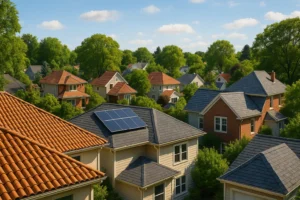
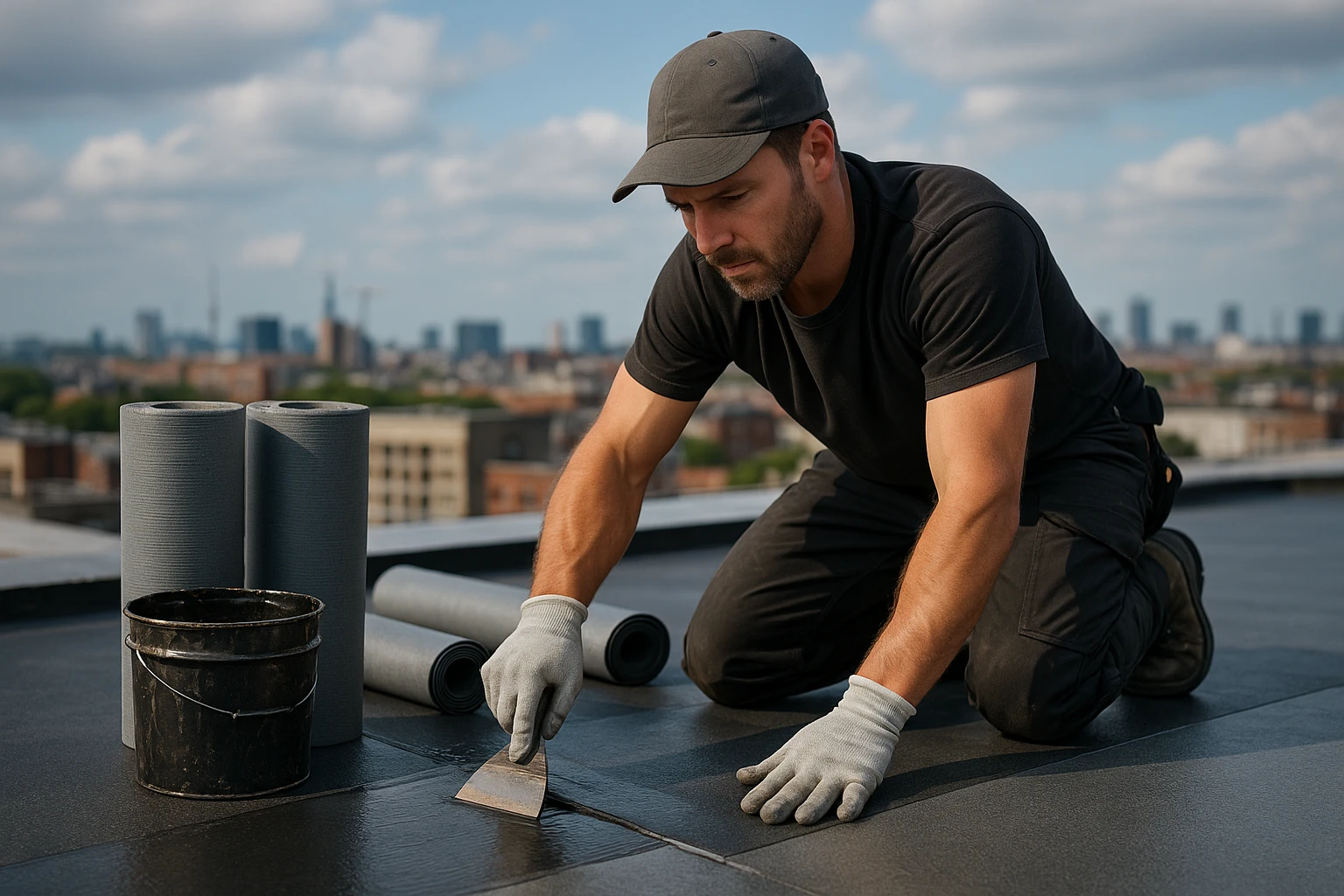
In the ever-evolving world of construction, roofing stands as a critical component of both residential and commercial buildings. It’s not just about shelter and protection; roofing plays a pivotal role in the aesthetic appeal, energy efficiency, and structural integrity of a home. Whether you’re a homeowner planning a new construction project or a contractor seeking to stay informed about the latest industry trends, understanding the essentials of roofing can significantly impact your decision-making process.
The Importance of a Quality Roof
Why is roofing so crucial? The roof serves as the first line of defense against the elements, from harsh sunlight to torrential rains. A well-constructed roof can save homeowners thousands of dollars in energy costs and repairs, while a poorly built roof might lead to leaks, mold growth, and even structural damage. According to a study by Building Project Solutions, investing in high-quality materials and regular maintenance can increase the lifespan of a roof by 15-20 years.
Trends and Innovations
Modern roofing has seen a slew of innovative materials and designs that are not only more durable but also environmentally friendly. Solar shingles, for instance, provide an eco-conscious way to harness energy directly from the sun, integrating seamlessly with traditional roofing materials. Meanwhile, green roofs are becoming increasingly popular in urban areas for their insulating properties and ability to reduce urban heat, according to data from Green Roof Technology.
Practical Considerations
When contemplating a roof installation or replacement, several factors come into play. Budgetary constraints, climate concerns, and aesthetic preferences are all important considerations. For instance, asphalt shingles might be affordable but may not provide the same lifespan or aesthetic versatility as metal or tile roofing. It’s also worth exploring innovative solutions that might offer long-term savings. For more information on cost-saving measures, you can read the insightful article on How To Save 80 On Roof Replacement With All American Roof Shield’s Fresh Roof Treatment.
Understanding Roofing Materials
When selecting materials for your roofing project, there are several options that vary in durability, aesthetics, and cost. Understanding these materials can help homeowners make informed choices based on their specific needs and budget. From traditional asphalt shingles to modern metal roofing, each material offers distinct advantages and potential drawbacks.
Asphalt Shingles
Asphalt shingles are one of the most popular roofing materials used today due to their affordability and relatively straightforward installation. They offer a good balance between cost and longevity, typically lasting 15 to 30 years. Additionally, manufacturers offer a variety of colors and styles, making them a versatile choice for various architectural styles. However, they may not perform as well in extreme weather conditions compared to other materials.
Metal Roofing
Metal roofing is gaining popularity for its durability and energy efficiency. Known for its ability to withstand harsh weather, metal roofs can last 40 to 70 years with proper maintenance. They reflect solar radiant heat, which can reduce cooling costs by 10-25% according to Energy Star. However, metal roofing can be more expensive upfront, which might be a consideration for budget-conscious homeowners.
Concrete and Clay Tiles
Concrete and clay tiles offer excellent durability and aesthetic appeal, frequently used in Mediterranean or Spanish-style homes. These tiles can last over 50 years and provide excellent fire resistance. However, their weight requires a reinforced roof structure, potentially increasing installation costs. Their lifespan and natural look make them a desirable choice despite the higher investment.
Cost Comparison
| Material | Average Lifespan | Cost Range (per sq ft) | Weather Durability |
|---|---|---|---|
| Asphalt Shingles | 15-30 years | $3.50 – $5.50 | Moderate |
| Metal Roofing | 40-70 years | $5.50 – $10.00 | High |
| Concrete/Clay Tiles | Over 50 years | $10.00 – $18.00 | High |
Choosing the right material requires careful consideration of your needs and the specific climate conditions in your area. To further explore lasting options for your roof, see Prolong The Life Of Your Asphalt Shingles By 1015 Years Expert Tips, providing insights on maintaining your investment.
Understanding Roofing Materials
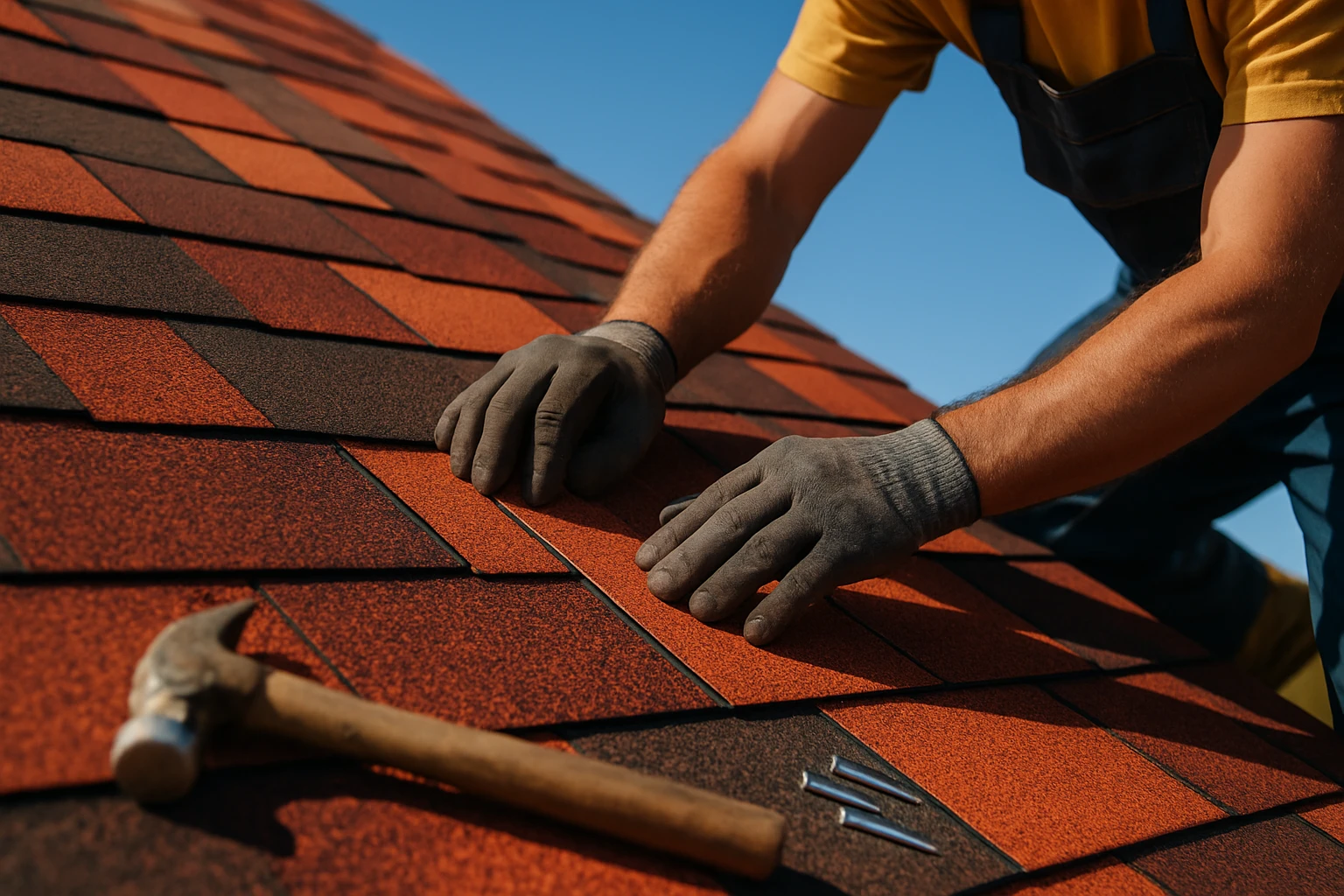
Choosing the right roofing materials is crucial for durability, aesthetics, and energy efficiency. Roofing materials vary significantly, each offering unique benefits. For instance, asphalt shingles are popular in North America due to their cost-effectiveness and ease of installation. These shingles, however, may not last as long in extreme weather conditions as other materials.
Metal roofing is another option that has gained popularity for its longevity and energy efficiency. Aluminum and steel are commonly used metals, providing robust protection against harsh weather while reflecting solar heat. This can reduce cooling costs during summer months, making them a sustainable choice for eco-conscious homeowners. Additionally, metal roofs require minimal maintenance and are recyclable, enhancing their appeal as an environmentally friendly option.
Evaluating Pros and Cons
When deciding on a roofing material, understanding its advantages and drawbacks is essential. For example, while clay tiles offer an attractive and long-lasting solution, they are heavier and may require additional structural support. This can increase the initial investment but provides value through longevity and fire resistance.
Wood shakes, although visually appealing and natural, demand regular maintenance and may not be suitable for areas prone to wildfire. Conversely, synthetic options like rubber shingles offer the look of wood shakes without the maintenance concerns, making them a practical alternative in such regions.
Real-World Applications and Advice
Case studies highlight the importance of selecting materials based on local climate conditions. In coastal regions, corrosion-resistant materials are advisable, while areas with high snowfall may benefit from materials that support heavy loads, such as slate or concrete tiles. Homeowners should consider consulting professionals like All American Roof Shield/Fresh Roof to explore customized solutions tailored to their specific needs.
For more sustainable options, some homeowners opt for green roofs, which offer insulation benefits while supporting vegetation. This modern approach not only enhances thermal performance but also contributes to biodiversity, making it an excellent choice for urban settings looking to improve air quality.
Ultimately, selecting the right roofing material involves balancing cost, durability, aesthetics, and environmental impact. Exploring the nuances of each material, along with expert guidance, can lead to an informed decision that enhances a home’s value and protects its structural integrity effectively.
For a deeper dive into different roofing methods and their longevity, visit Comparing Methods For Lasting Results, which provides detailed comparisons to help you make the best choice.
Enhancing Performance and Longevity Through Proactive Practices
Building on your previous discussion of durability and structural integrity, it’s insightful to explore how proactive measures elevate outcomes. In roofing, routine inspections and preventive maintenance campaigns can dramatically extend a system’s lifespan. For instance, roofs receiving regular upkeep often last 10–15% longer—translating to savings that compound over time and reduce the likelihood of costly replacements. According to industry data, even a modest $300 inspection can help avoid a potential $15,000 replacement down the line source.
Turning to technology-driven improvements, many contractors now leverage digital tools to optimize workflows. About 65% of roofers report increased efficiency through digital project management platforms, and 68% note better accuracy in cost estimating when using cloud-based software source. These tools minimize errors, streamline communication from planning to execution, and empower teams to stay on schedule—even when weather or labor shortages disrupt operations.
Real-World Example: Digital Integration in Action
Consider a mid-sized roofing company based in the Southeast that adopted mobile task assignment and CRM tools. Leveraging these technologies, the company reduced paperwork by over 50%, accelerated bid turnaround times by 40%, and improved client satisfaction through transparent, real-time updates. Over a year, this translated into both higher retention and a 12% boost in job completion rates source.
Emerging Trends: Sustainability and Smart Roofing Solutions
Emerging trends show growing appetite for energy-efficient and eco-conscious projects. Metal roofing, for example, not only offers durability but can help reduce energy costs—studies have shown up to 40% savings in summer cooling and around 15% in winter heating, thanks to heat-reflective properties source. This demonstrates how strategic upgrades can leverage both material performance and long-term savings.
Moreover, industry surveys underscore the rise of smart roofing technologies—such as live sensors for predictive maintenance—which contractors increasingly integrate into offerings. Though the integration rate remains uneven, it marks the path toward proactive asset management that minimizes downtime, extends service life, and supports sustainable operations.
By integrating routine maintenance, digital tools, and forward-thinking materials, contractors not only enhance performance but also contribute to lasting value and resilience. These proactive approaches position roofing systems—and the businesses behind them—to thrive amid evolving client expectations and economic pressures.
Conclusion
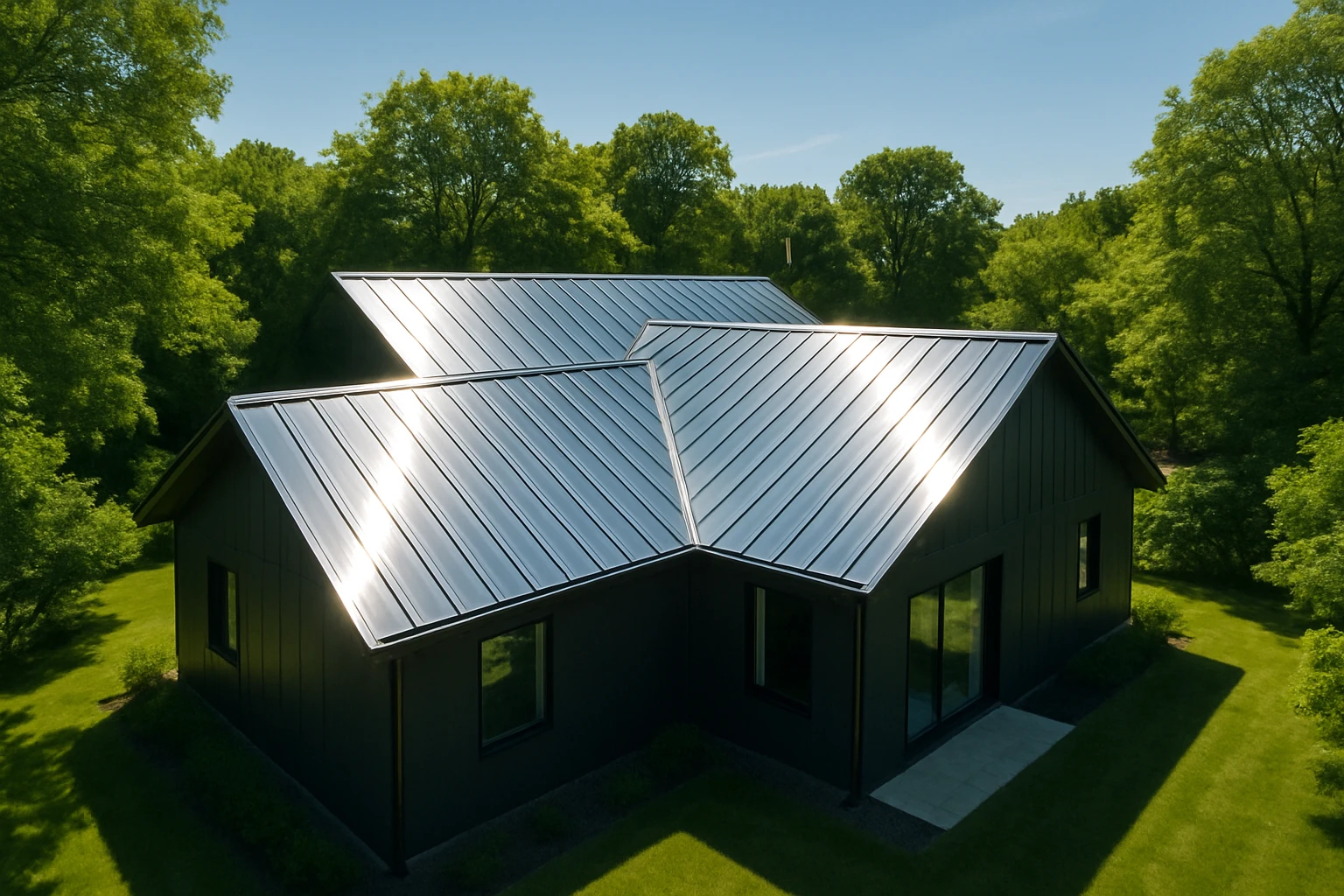
In summary, whether you’re planning a new roofing project or considering an upgrade, understanding your options is crucial. From the durability and energy efficiency of metal roofs to the aesthetic appeal of traditional shingles, each material offers distinct benefits. Choosing the right type involves considering not only the environmental impact but also the long-term cost-effectiveness and suitability to your climate.
Given the advancements in roofing technology, homeowners today have access to more sustainable and innovative solutions than ever before. For instance, integrating solar panels with your roof can drastically reduce energy costs, while cool roofs can help manage temperatures more effectively in warmer climates. According to the U.S. Department of Energy, cool roofs can significantly lower cooling costs by reflecting more sunlight.
Making informed decisions involves balancing aesthetics, budget, and performance. For those who wish to improve the longevity and efficiency of their homes, this approach ensures a satisfying outcome. Moreover, engaging with experienced professionals can considerably enhance the execution of your roofing plans. Partnering with specialists, equipped with industry knowledge and the right tools, can mitigate costly mistakes.
For homeowners seeking reliable guidance and professional service, considering companies like All American Roof Shield/Fresh Roof is a smart move. Their expertise in providing comprehensive, high-quality roofing solutions ensures that you receive the best advice and service tailored to your needs. Whether you are prioritizing durability, energy savings, or curb appeal, getting expert support can make all the difference.
Ultimately, investing time and resources into the right roofing choice now can lead to significant benefits down the road, both financially and environmentally. As you explore your options, remember that the right decision will enhance your home’s value and life quality. Take the initiative to research, consult professionals, and make choices that align with your lifestyle and environmental responsibilities.
Article Generated by Soogle