Understanding the Importance of Roofing
Roofing is often an overlooked aspect of home maintenance, yet it plays a pivotal role in protecting our homes from the elements. A reliable roof stands as a shield against harsh weather, and understanding its importance is critical not only for homeowners but also for anyone involved in property management. The evolution of roofing materials and technology has significantly transformed how we approach roof maintenance and installation.
Not just a barrier from rain or snow, modern roofing solutions enhance insulation, reducing energy costs and improving overall home efficiency. Recent studies highlight the energy savings from advanced roofing systems; for example, reflective or cool roofs can lower a building’s cooling needs by up to 15% during summer months (source). This demonstrates the potential for immediate and long-term cost savings, making the choice of roofing materials a strategic investment.
The Evolution of Roofing Materials
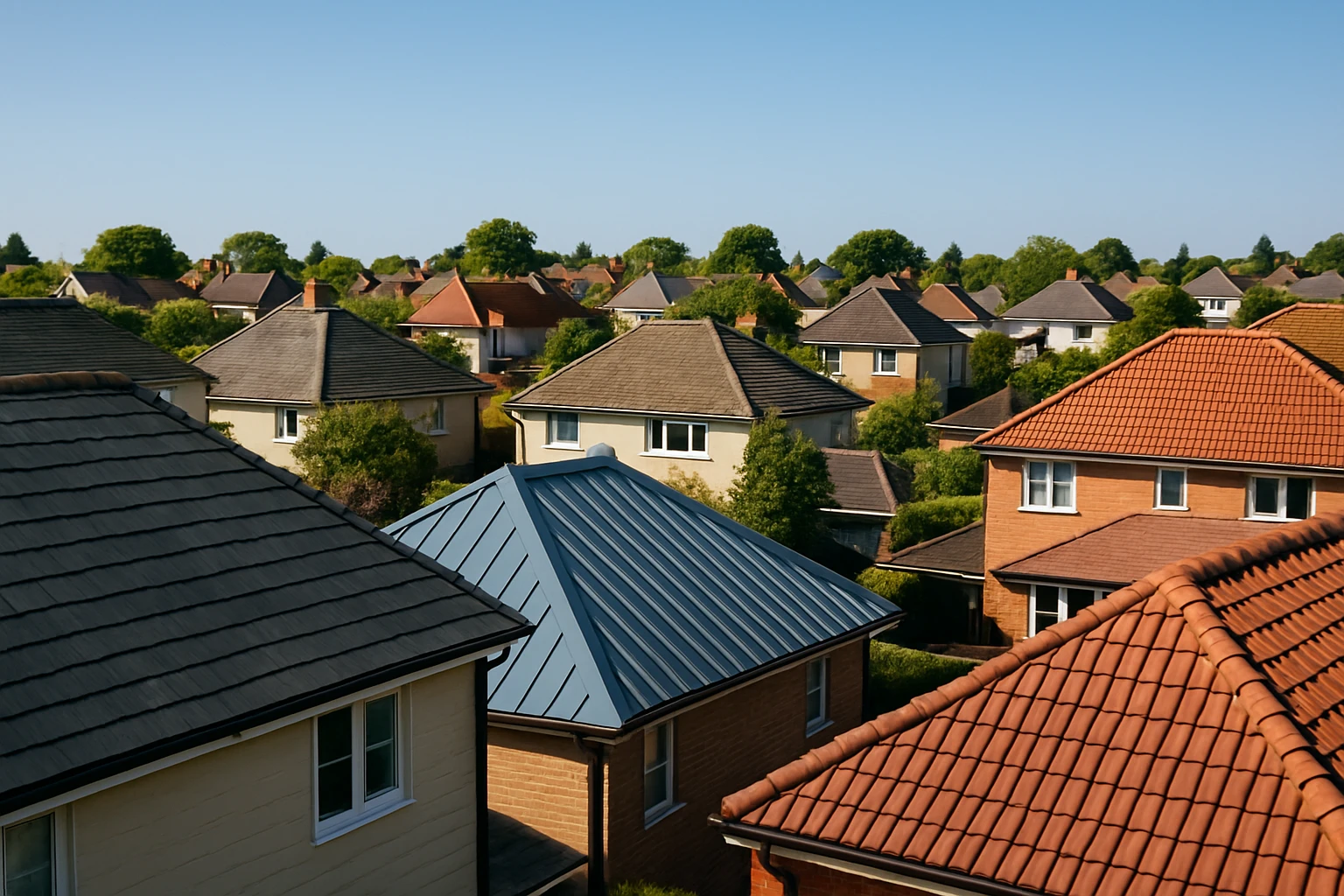
Over the years, roofing materials have evolved from traditional wood and slate to a vast array of contemporary options. Asphalt shingles remain a popular choice due to their affordability and durability; however, metal roofing is gaining traction for its longevity and minimal maintenance needs. Innovations like roof coatings offer additional protection, extending the life of existing roofs and offering a cost-effective alternative to full replacements. An interesting case study on the effectiveness of such solutions is provided in Revitalizing Roofs: A Case Study On Roof Coating Solutions, which showcases real-world applications.
Real-World Applications and Case Studies
In real-world applications, roofing is as much about aesthetics as it is about function. The architectural style of a home can dictate the type of roofing that enhances its visual appeal while ensuring durability. For instance, homes in storm-prone areas might benefit from reinforced metal roofing, known for its resistance to high winds and hail. Comprehensive guides help homeowners make informed decisions, balancing cost with performance, as seen in a detailed comparison of rejuvenation solutions (source).
Embracing the complexities of roofing goes beyond basic maintenance. It involves strategic thinking about materials, environmental impact, and long-term benefits. The right choice can lead to substantial savings, increased property value, and a reduced carbon footprint, making it an essential focus for any homeowner or builder aiming for sustainable living.
Choosing the Right Roofing Materials
Selecting the appropriate roofing materials is a critical decision that influences not only the aesthetics but also the durability and efficiency of a building. Various materials come with their own set of advantages and limitations, and understanding these can be essential for homeowners and builders alike.
Factors to Consider
When choosing roofing materials, it’s important to weigh factors such as climate, budget, and sustainability. For instance, in regions prone to heavy rainfall, metal and slate roofs offer excellent water resistance. In contrast, areas with high sun exposure benefit from clay or concrete tiles, which provide natural thermal insulation.
Material Comparison
To illustrate, here is a comparison of some common roofing materials:
| Material | Average Lifespan | Cost per Square Foot | Energy Efficiency | Environmental Impact |
|---|---|---|---|---|
| Asphalt Shingles | 20-30 years | $1.50 – $5.50 | Moderate | High |
| Metal | 40-70 years | $5.00 – $12.00 | High | Low |
| Clay Tiles | 50-100 years | $7.00 – $14.00 | High | Moderate |
| Slate | 75-200 years | $10.00 – $30.00 | High | Low |
This comparison highlights the diversity in options, with each material offering different benefits. Asphalt shingles, while cost-effective, have a higher environmental impact due to petroleum derivatives used in production. Metal roofs, on the other hand, provide a sustainable option due to recyclability and longevity, which can significantly reduce lifetime costs.
Real-World Applications
For those interested in extending the lifespan of existing roofing materials, exploring advanced treatments can be beneficial. For example, approaches like Fresh Roof treatment offer innovative solutions to preserve roof quality effectively. Discover more on treatments and savings by visiting the How To Save 80 On Roof Replacement With All American Roof Shields Fresh Roof Treatment 4305.
The choice of roofing materials should be informed by a balance between durability, cost, and environmental considerations. Proper analysis can ensure optimal outcomes, enhancing both the functionality and aesthetic appeal of a property.
Energy Efficiency in Roofing
In recent years, the focus on energy efficiency in roofing has grown significantly. Homeowners are increasingly seeking ways to reduce energy consumption and lower utility bills, making energy-efficient roofing solutions an essential consideration. This shift towards sustainable practices is driving innovation in materials and design.
Innovative Roofing Materials
The choice of roofing material plays a critical role in determining the energy efficiency of a building. Materials like metal roofing and reflective coatings are gaining popularity due to their ability to reflect more sunlight, reducing roof surface temperatures and heat transfer to the interior. According to the U.S. Department of Energy, cool roofs can lower air conditioning needs, leading to substantial energy savings.
Insulation and Ventilation
Beyond materials, proper insulation and ventilation are crucial for an energy-efficient roof. A well-insulated roof prevents heat loss during winter and keeps the interior cooler in summer. Similarly, effective ventilation systems, such as ridge vents or attic fans, help regulate temperature and prevent moisture buildup. These strategies not only enhance comfort but also extend the lifespan of the roofing system.
Real-World Applications
Many professionals turn to companies like All American Roof Shield/Fresh Roof for advanced solutions in energy-efficient roofing. Offering a range of products and services tailored to modern energy standards, these companies provide homeowners with the tools they need to optimize their roofs. Real-world examples include community housing projects that have adopted energy-conscious roofing solutions, leading to reduced communal energy costs and increased property value.
Roofing Technologies and Techniques
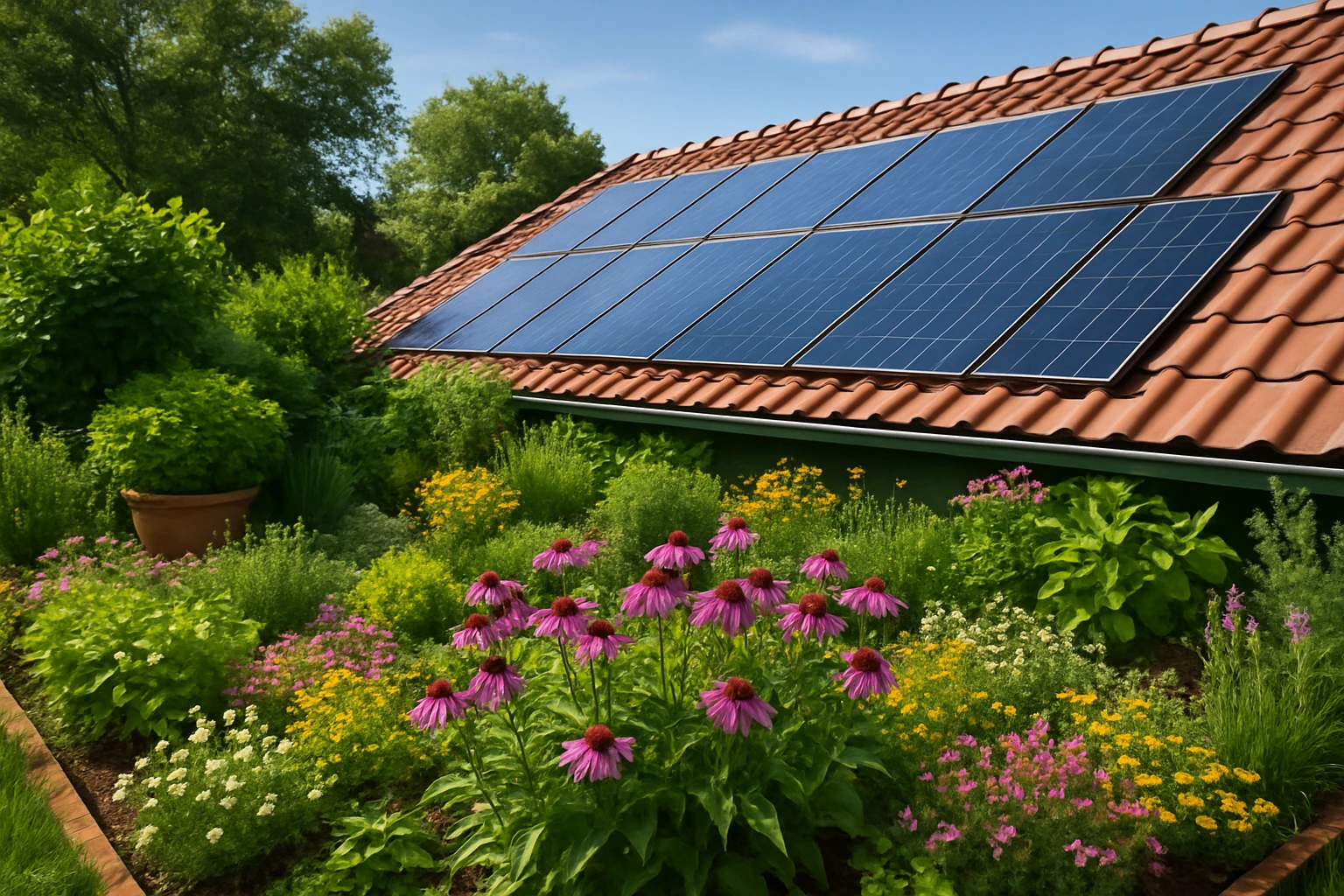
Advanced technologies in roofing, such as photovoltaic panels, are also contributing to energy efficiency. Integrating solar panels with traditional roofing materials can transform a roof into a source of renewable energy. As reported by National Renewable Energy Laboratory, these systems not only offset energy costs but also potentially provide energy back to the grid, promoting sustainability.
The trend towards energy-efficient roofing is not just a phase; it’s a necessity. With rising energy costs and increasing awareness of climate change, homeowners and builders are prioritizing sustainable practices. Through innovative materials, proper insulation, and advanced technologies, energy-efficient roofing is set to become a standard in modern construction.
Innovative Roofing Materials and Techniques
In recent years, the roofing industry has witnessed significant advancements in materials and techniques, catering to the growing demand for durability and sustainability. One standout is metal roofing, known for its longevity and energy efficiency. Metal roofs can last up to 50 years or more with proper maintenance, providing a long-term solution for homeowners seeking quality and efficiency.
A noteworthy example is the use of cool roof coatings on metal materials. These coatings reflect solar radiation, reducing the heat absorbed by the roof, which can significantly lower cooling costs by up to 15%. According to the U.S. Department of Energy, cool roofs can keep indoor temperatures cooler, enhancing the overall comfort of homes.
Green Roofs: A Growing Trend
The concept of green roofing is gaining traction, especially in urban environments. These systems involve planting vegetation over waterproof layers, providing natural insulation and reducing the urban heat island effect. Green roofs are not only aesthetically pleasing but also functional; they improve air quality, retain rainwater, and promote biodiversity. Cities like New York have embraced this trend, incentivizing property owners to incorporate green roofs through tax abatements.
Advancements in Synthetic Roofing Materials
Synthetic materials, such as rubber and plastic composites, are becoming increasingly popular in the roofing sector. These materials mimic traditional options like slate and wood but are often lighter and more affordable. A company that exemplifies this innovation is DaVinci Roofscapes, which produces composite roofs offering the appearance of cedar with enhanced durability and resistance to weather extremes. These products are designed to withstand severe weather conditions, proving especially beneficial in regions prone to hurricanes and heavy snowfall.
The roofing industry’s continuous evolution not only addresses environmental challenges but also meets the aesthetic and practical needs of modern consumers. By leveraging advanced materials and innovative techniques, the future of roofing promises enhanced performance, sustainability, and savings for homeowners.
Conclusion: The Future of Roofing
In the world of home improvement, roofing stands out as a crucial component, offering both protection and energy efficiency. As we’ve explored, adopting innovative and eco-friendly roofing solutions not only enhances your home’s sustainability but also adds significant value. Homeowners are increasingly recognizing the benefits of integrating cutting-edge technology like solar panel tiles and green rooftops, which contribute to energy savings and environmental conservation.
For those looking to make the most of these advances, it’s essential to stay informed about the latest materials and techniques. Studies have shown that houses with energy-efficient roofs can reduce heating and cooling costs by up to 20% [source]. Such savings highlight the importance of choosing the right roofing options to suit specific climate conditions and personal preferences.
Actionable Insights for Homeowners
- Consider modern roofing options like solar shingles, which not only provide protection but also generate electricity, offering a return on investment in reduced utility bills.
- Evaluate the possibility of installing a green roof if your structure supports it; this can improve insulation and air quality while creating natural beauty.
- Partner with reputable contractors who specialize in sustainable roofing solutions, ensuring quality installation and long-term satisfaction.
As you move forward, engaging with experienced professionals can make all the difference. To explore these strategies further and ensure quality work, consider reaching out to All American Roof Shield/Fresh Roof. Their team offers comprehensive guidance tailored to your specific needs, paving the way for a more energy-efficient and aesthetically pleasing home.
In conclusion, the advancements in roofing technology present an exciting opportunity to improve the efficiency and value of your home. By investing in these innovations, not only do you contribute to a sustainable future, but you also enhance your living space’s overall comfort and functionality. Begin your journey towards efficient and sustainable roofing solutions today, securing both your home’s resale value and environmental impact.
Article Generated by Soogle